01
Reading path
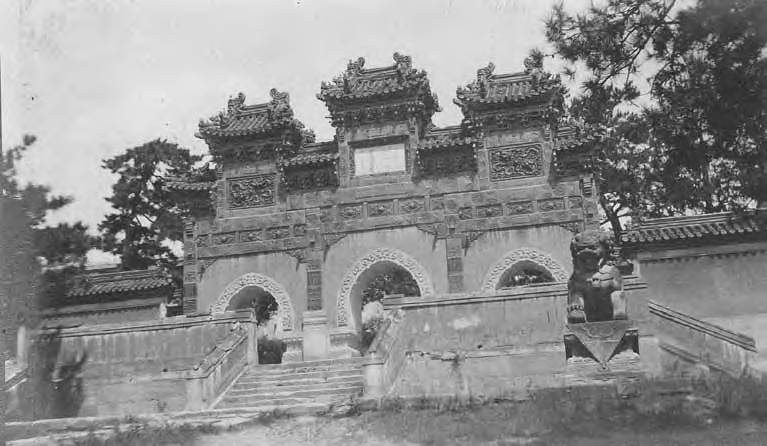
Gardens and Temples
Compare gardens, temples, and architectural details across different sources.
Enter themeEARLY VISUAL ARCHIVE · 1890—1945
Discover the buildings, roads, and everyday lives of a historical region through its early images.

Putuo Zongcheng Temple, Jehol (Chengde)
Bibliothèque nationale de FranceA growing visual archive of early Jehol
01 — Thematic reading
Six intersecting paths trace the visions of Jehol produced by different photographers, institutions, and media.
Reading path
Compare gardens, temples, and architectural details across different sources.
Enter theme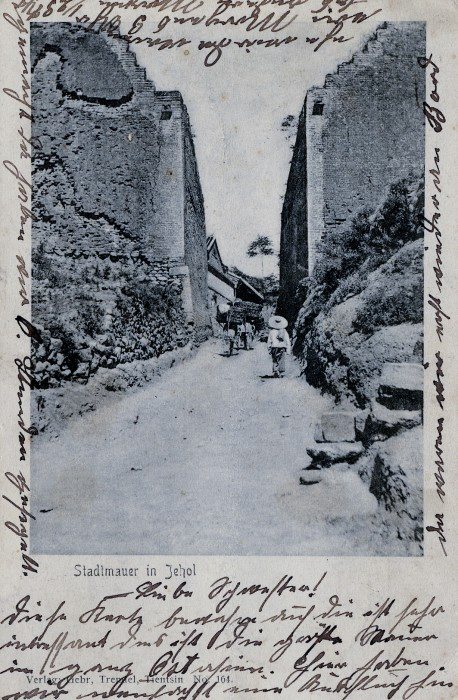
Reading path
Explore streets, markets, labour, schools, and local society.
Enter theme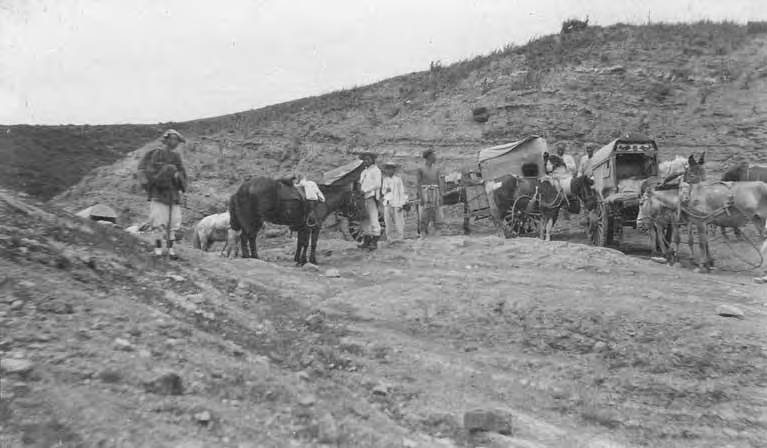
Reading path
Read resource surveys and wartime records in their institutional context.
Enter theme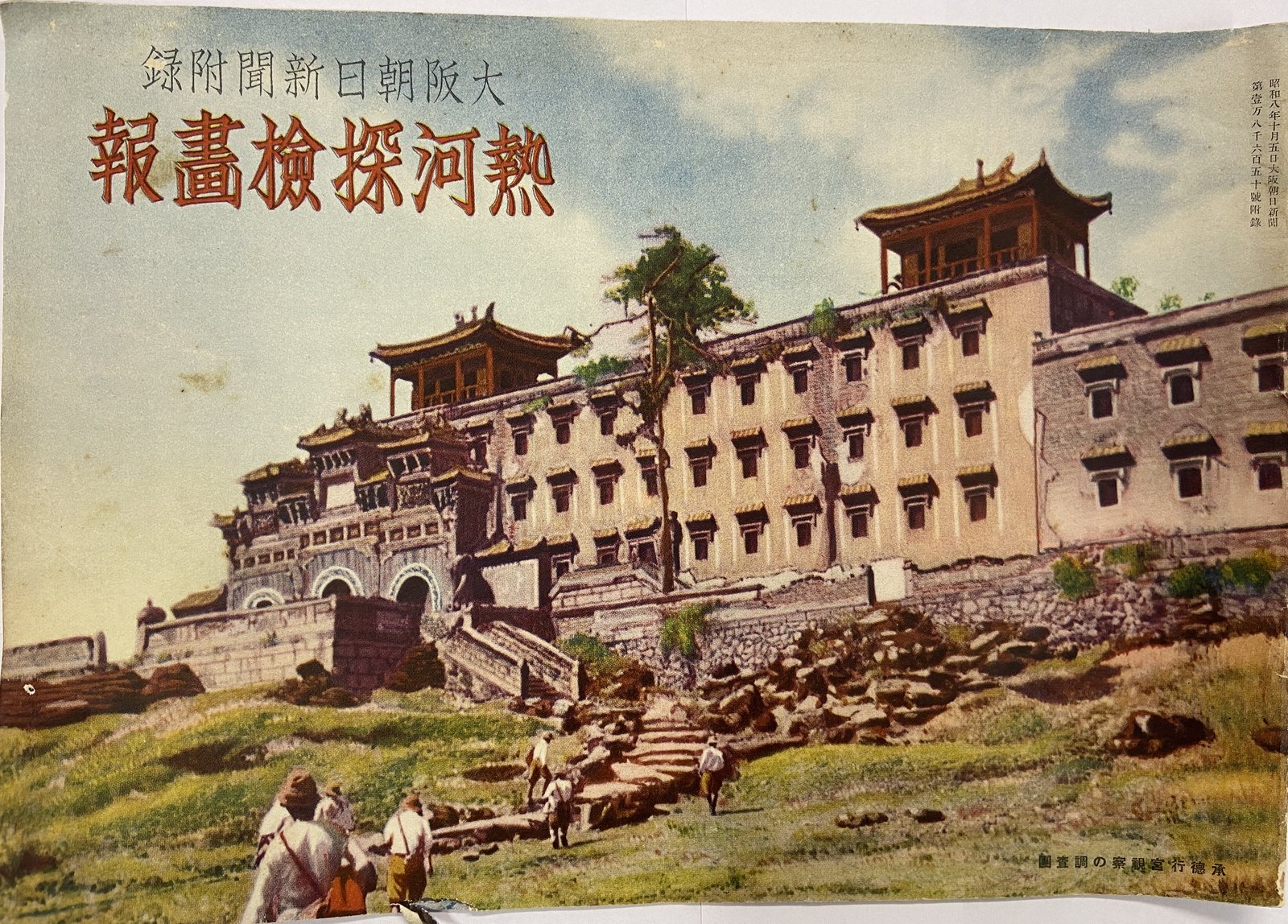
Reading path
Trace images across paintings, photographs, postcards, newspapers, and films.
Enter theme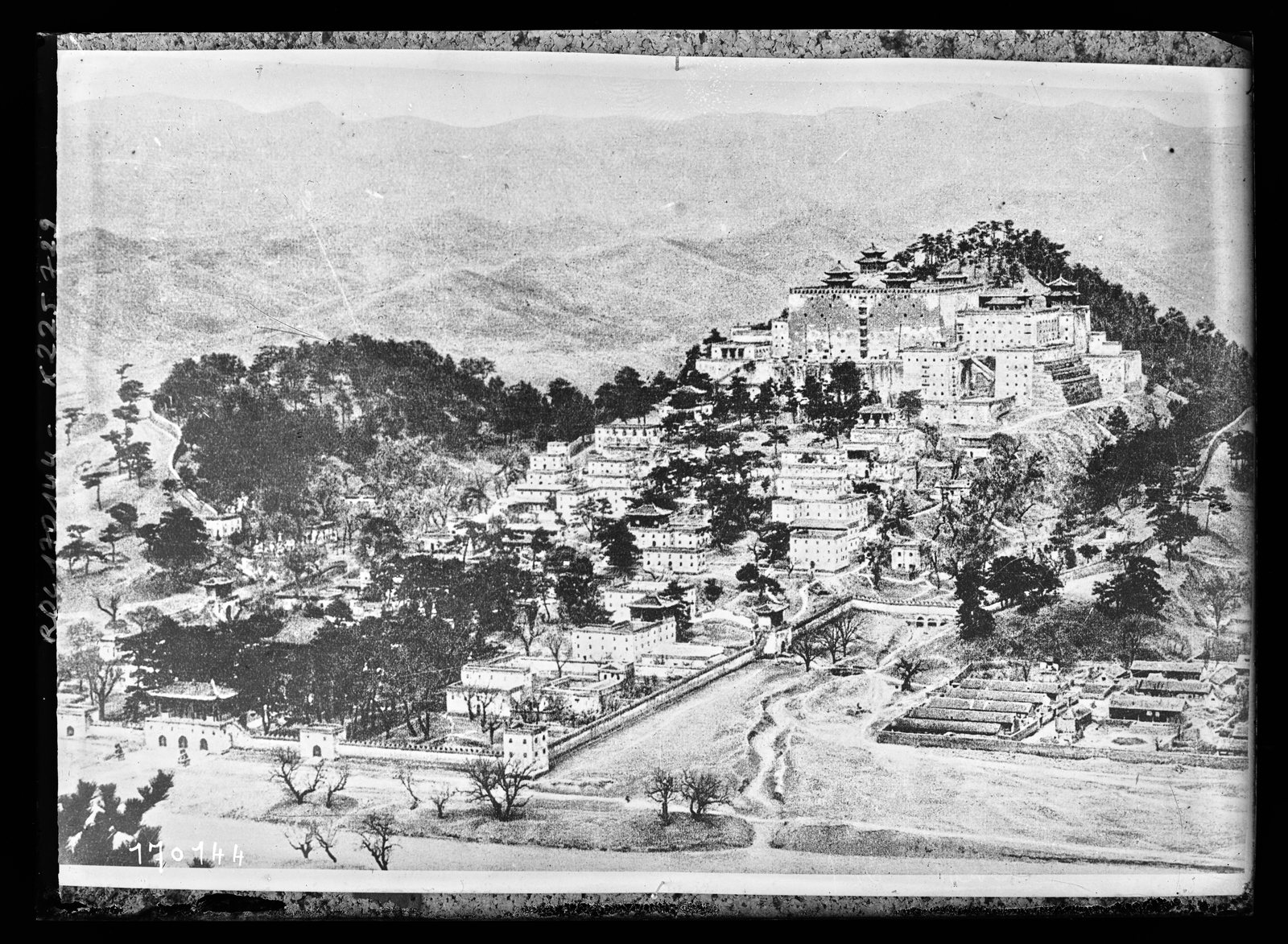
Reading path
Return images to albums, collections, and exhibitions.
Enter theme02 — Digital archive
An archive is more than an accumulation of images. Dates of exposure and publication, original titles, institutional cataloguing, and later circulation all shape what a photograph can tell us.
The complete archive now includes all 2,490 images cleared for online display.
03 — About the project
Jehol was never merely the backdrop to an imperial summer residence. It was also the end of a road, a field site for survey expeditions, a frontier administration, a theatre of war, and a visual emblem reproduced around the world.
This project returns images scattered across albums, illustrated magazines, travel writing, institutional archives, and newsreels to their dates, places, makers, and histories of circulation. Here, no photograph is treated as an isolated view.
04 — Research method
Early images often lack individual credits, while place names and dates may be simplified through repeated publication. Rather than conceal these gaps behind a single confident answer, the archive makes visible what is known—and what remains unresolved.
Photographers, expedition leaders, editors, publishers, and holding institutions are catalogued separately.
Dates of exposure, publication, compilation, and digitisation are not collapsed into a single field.
Uncertain places, people, and version relationships are marked as unresolved rather than completed through conjecture.
05 — Full archive
Continue exploring the connections between images.
Explore 2,490 photographs, postcards, illustrated publications, and press images from 1890 to 1945. Filter by theme, search the catalogue, and enlarge every record.
Browse the full archive2,490 records


